


What Your Tongue Says About Your Health
Your tongue does much more than help you taste, speak, and swallow—it can also reveal important clues about your oral and overall health. Changes in tongue health, such as unusual color, swelling, soreness, or persistent coatings, may signal underlying conditions. If these changes last longer than two weeks, schedule a dental evaluation.
Why Tongue Health Matters
Your tongue is more than just a muscle that helps you eat and speak—it's an important indicator of your oral and overall health. Paying attention to changes in your tongue health can help you identify potential problems early, from dehydration and vitamin deficiencies to oral infections and other medical conditions.
A healthy tongue is typically:
Naturally pink
Moist and well-hydrated
Covered with tiny bumps called papillae
Free of persistent sores, unusual patches, or thick coatings
Comfortable, without pain, burning, or swelling
While many tongue changes are temporary, persistent changes should never be ignored. Monitoring your tongue health is a simple way to protect both your smile and your overall health.
What Different Tongue Colors and Changes May Mean
Your tongue can naturally change in appearance from time to time, and many changes are harmless. However, persistent changes in color, texture, or coating may provide valuable clues about your tongue health and overall well-being. While your tongue alone cannot diagnose a medical condition, it's worth paying attention to changes that don't improve or last longer than two weeks.

Healthy Tongue
Signs of a healthy tongue include:
A natural pink color
A moist surface
Small papillae (tiny bumps) covering the surface
No persistent sores, unusual patches, or thick coatings
A healthy-looking tongue often indicates good oral hygiene and proper hydration.
White Tongue
A white coating develops when bacteria, food debris, and dead cells become trapped between the papillae.
Common causes include:
Poor oral hygiene
Dry mouth
Smoking
Certain medications
Many cases improve with better oral hygiene. However, persistent white patches should be examined by a dentist.
Yellow Tongue
A yellow coating is commonly caused by bacteria accumulating on the tongue's surface.
It may be associated with:
Poor oral hygiene
Dry mouth
Smoking or tobacco use
Certain medications
Fever or dehydration
In many cases, improving your oral hygiene routine and staying hydrated can help restore your tongue's natural appearance.
Bright Red Tongue
A bright red or "strawberry" tongue may sometimes be associated with:
Vitamin B12 deficiency
Iron deficiency
Folate deficiency
Scarlet fever
Kawasaki disease (primarily in children)
Persistent redness accompanied by pain or fever should be evaluated promptly.
Pale Tongue
A pale tongue may suggest:
Vitamin deficiencies
Poor circulation
A persistent pale tongue should be evaluated by your dentist or physician.
Black Hairy Tongue
Although its appearance can be alarming, black hairy tongue is usually harmless.
It occurs when the tongue's papillae become elongated and trap:
Bacteria
Food particles
Tobacco stains
Pigments from coffee, tea, or other beverages
Risk factors include:
Smoking
Antibiotic use
Poor oral hygiene
Regular tongue cleaning usually resolves the condition.
Tongue Texture Changes You Shouldn't Ignore
Color isn't the only thing your tongue can reveal. Changes in texture, shape, or sensitivity may also signal changes in your oral or overall health.
Smooth Tongue
A smooth, glossy tongue that has lost its normal tiny bumps may indicate:
Iron deficiency
Vitamin B12 deficiency
Folate deficiency
Certain autoimmune disorders
Some people also experience burning, tenderness, or increased sensitivity.
Cracked or Fissured Tongue
A fissured tongue has grooves or cracks on its surface. For many people, this is a harmless variation of normal anatomy.
However, deep fissures may also become more noticeable with:
Dehydration
Stress
Nutritional deficiencies
Psoriasis
Food particles and bacteria can collect in these grooves, so careful tongue cleaning is especially important.
Bumpy or Swollen Tongue
Small bumps or swelling are often temporary but can sometimes indicate an underlying issue.
Possible causes include:
Inflamed taste buds
Food sensitivities
Allergic reactions
Minor irritation or trauma
Gastrointestinal issues
Infection
If swelling develops suddenly or is accompanied by difficulty breathing or swallowing, seek emergency medical care immediately.
Tongue Pain, Burning, or Soreness
Persistent tongue discomfort should never be ignored.
Common causes include:
Mouth ulcers
Canker sores
Oral infections
Vitamin deficiencies
Burning mouth syndrome
Ill-fitting dentures
Teeth grinding
Allergic reactions
If symptoms last longer than two weeks, schedule a dental evaluation.
Bumps or Sores on the Tongue
Most tongue bumps are harmless and resolve on their own.
Examples include:
Inflamed taste buds
Minor tongue injuries
Canker sores
However, any sore that:
Lasts longer than two weeks
Bleeds easily
Continues to enlarge
Feels firm
Causes persistent pain
should be examined promptly by your dentist to rule out more serious conditions.
The Connection Between Tongue Health and Oral Hygiene
Your tongue naturally harbors millions of bacteria. Without regular cleaning, bacteria and debris can contribute to bad breath, plaque buildup, and other oral health problems.
Daily tongue cleaning helps reduce bacteria, freshen your breath, and support better oral health.
Simple Ways to Keep Your Tongue Healthy
Make these habits part of your daily oral care routine:
Brush your tongue every day using your toothbrush or a tongue scraper.
Stay well hydrated to help maintain healthy saliva flow.
Brush your teeth twice a day with fluoride toothpaste.
Floss daily to remove plaque and food particles between your teeth.
Schedule regular professional dental cleanings and exams to remove plaque and monitor your overall oral health.
Taking just a few extra seconds to care for your tongue each day can help improve tongue health, reduce bacteria, and support a healthier, more confident smile.
When Should You See a Dentist?
While many tongue changes are temporary, some require professional evaluation.
Schedule a dental exam if you notice:
A sore lasting more than two weeks
Persistent white or red patches
Tongue swelling
Difficulty swallowing
Ongoing pain or burning
Unexplained bleeding
A lump or thickened area
Persistent bad breath despite good oral hygiene
Early evaluation often leads to earlier diagnosis and more effective treatment.
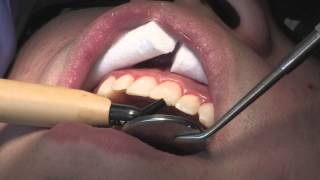
How a Dental Exam Can Protect Your Health
Many people think dental exams focus only on teeth.
In reality, your dentist also performs an oral cancer screening and evaluates:
Your tongue
Gums
Cheeks
Lips
Floor of the mouth
Roof of the mouth
Jaw joints
These routine examinations can help detect oral diseases and other health concerns before symptoms become more serious.
At Aleris Salem Dental Center, comprehensive dental exams include a thorough evaluation of your oral tissues, helping you maintain both your oral and overall health.
Tips for Keeping Your Tongue Healthy
A few healthy habits can help protect your tongue health:
Check your tongue regularly for changes in color, texture, or sores.
Eat a balanced diet rich in vitamins and minerals.
Avoid tobacco products.
Schedule routine dental exams.
If you notice changes that last longer than two weeks, don't wait to seek professional care.
Frequently Asked Questions
What does a healthy tongue look like?
A healthy tongue is typically pink, moist, and covered with small papillae. It should not have persistent sores, thick white patches, or unexplained swelling.
Is a white tongue always a sign of infection?
No. A white tongue may result from dry mouth, poor oral hygiene, or bacteria buildup. However, persistent white patches should be evaluated to rule out conditions such as oral thrush or leukoplakia.
Can vitamin deficiencies affect tongue health?
Yes. Deficiencies in iron, vitamin B12, and folate can cause a smooth, pale, sore, or bright red tongue.
When should I worry about a sore on my tongue?
Any sore that lasts longer than two weeks, enlarges, bleeds, or doesn't heal should be examined by a dentist or healthcare provider.
Why does my dentist examine my tongue?
Your dentist evaluates your tongue during routine exams to look for signs of infection, oral cancer, nutritional deficiencies, and other conditions that may affect your oral or overall health.
Your tongue is an important indicator of both oral and overall health. Changes in its color, texture, or appearance may be harmless, but they can also signal infections, nutritional deficiencies, or other medical conditions. Routine dental exams and good oral hygiene play a vital role in maintaining healthy tongue health and identifying concerns before they become more serious.
A Healthy Tongue Starts with Regular Dental Exams
Changes in your tongue may be the first sign of an oral health problem. A comprehensive dental exam can identify concerns early and help keep your smile healthy.
📍 90 Lafayette St, Salem, MA
📞 (855) 745-0055
Book your next dental exam at Aleris Salem Dental Center and stay one step ahead of oral health issues.



Comments