


Before Your Dental Benefits Renew: Which Treatments Should You Prioritize Before Year-End?
If you have unfinished or previously recommended dental treatment, the end of the year is a good time to review what still needs attention. Rather than scheduling treatment simply to use remaining insurance benefits, start with your oral health: determine which care is still recommended, how soon it should be completed, and how your current dental benefits may apply.
If dental treatment was recommended earlier this year but never completed, now is a good time to revisit it. A lot can change over several months - from the condition of a tooth to your treatment priorities and available insurance coverage.
That makes fall a practical time to look at both sides of the picture: your current dental needs and your remaining dental benefits before year-end.
Dental Benefits Before Year-End: Start With Your Treatment Plan
A remaining insurance benefit shouldn't determine whether dental treatment is necessary.
Think back to your recent dental visits. Did your dentist recommend treatment that you haven't completed? Perhaps you postponed an appointment because of work, travel, cost concerns, or simply because the tooth wasn't bothering you.
Your first step should be to find out whether that treatment is still recommended.
Examples might include:
A filling for an existing cavity
A dental crown for a weakened or damaged tooth
Follow-up periodontal care
Replacement of a missing tooth
Completion of treatment already started
A dental problem requiring further evaluation
An updated evaluation can help determine what still needs treatment and which concerns should take priority.
Which Dental Treatment Should You Prioritize?
Not every unfinished treatment has the same urgency. If several procedures have been recommended, your dentist can help prioritize them according to your current oral health rather than simply choosing the procedure with the greatest insurance coverage.
1. Start With Pain, Infection, or Active Dental Problems
Symptoms deserve attention regardless of the time of year.
If you're experiencing persistent tooth pain, swelling, discomfort when chewing, a broken tooth, or other new symptoms, schedule an evaluation rather than waiting for your benefits to renew.
A problem that has changed since your previous examination may also need to be reassessed before moving ahead with an older treatment plan.
2. Revisit Untreated Tooth Decay
A filling that was recommended months ago is worth revisiting.
Tooth decay doesn't necessarily cause noticeable symptoms in its early stages. If a cavity is still present, your dentist can determine whether a filling remains appropriate or whether the condition has changed.
The key question isn't whether you have insurance benefits remaining. It's whether delaying treatment could allow the problem to become more complicated.
3. Review Recommended Crowns and Restorative Work
If you postponed a crown or another restoration earlier in the year, ask whether the tooth remains stable and how soon your dentist recommends completing treatment.
This is particularly important when care involves multiple appointments. Planning earlier gives you and your dental team more time to coordinate treatment before the end of your benefit period.
4. Don't Overlook Gum Disease Treatment
Bleeding gums, gum recession, periodontal pockets, or a history of gum disease may require more than a routine cleaning.
If periodontal treatment or maintenance has been recommended, ask whether you're due for care. The decision should be based on the health of your gums and your recommended maintenance schedule - not simply whether insurance benefits remain.
5. Discuss Multi-Step Treatment Early
Crowns, bridges, dental implants, dentures, and other restorative procedures may require planning, laboratory work, healing, or multiple appointments.
If you've postponed a larger treatment plan, don't assume everything can be completed during the final days of December. An earlier consultation allows your dentist to evaluate your needs and discuss realistic treatment timing.
Understand What Your Dental Insurance Actually Covers
Before scheduling treatment around insurance, review your specific plan.
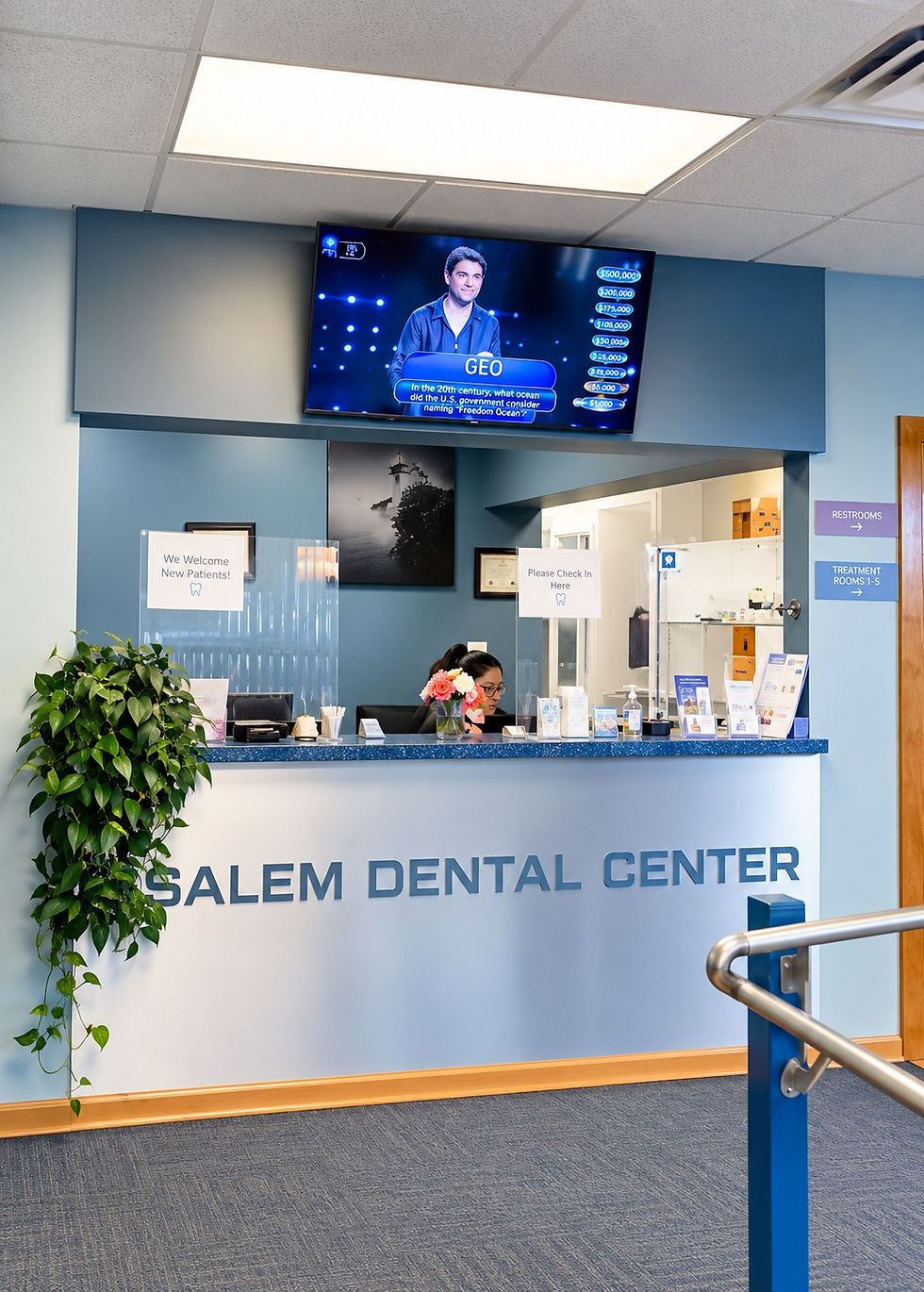
Dental plans may include annual maximums, deductibles, frequency limitations, waiting periods, and exclusions, so it’s important to review the details of your dental benefits before scheduling treatment.
Dental benefits can include annual maximums, deductibles, coinsurance, exclusions, frequency limitations, and other restrictions.
Consider checking:
Your remaining annual maximum
Whether you've met your deductible
Whether the recommended treatment is covered
Your estimated share of the cost
Whether preauthorization or predetermination is required
Any frequency or waiting-period limitations
When your specific benefit year ends
That last point matters. Don't assume every dental plan renews on January 1. Check your plan documents or contact your insurance carrier to confirm your benefit period and coverage.
Does Unused Dental Insurance Carry Over?
It depends on your plan.
Many plans establish an annual maximum for the amount they will reimburse, but rules governing benefits and benefit periods vary.
Rather than assuming unused benefits will disappear - or automatically carry forward - verify the terms directly with your insurance provider.
A better approach to year-end planning is:
Identify needed care → understand its timing → verify your coverage → make an informed decision.
Should You Rush Dental Treatment Just to Use Your Benefits?
You shouldn't schedule dental treatment solely because you have benefits remaining. If treatment isn't currently necessary, insurance coverage alone isn't a reason to have a procedure. Likewise, if treatment is recommended, your remaining benefits shouldn't be the only factor in deciding when to proceed.
Your dentist can explain why treatment is recommended, how soon it should be addressed, and what could happen if it is postponed. Your insurance provider can then clarify how your plan applies to that treatment.
Your oral health should guide the treatment decision, while your insurance benefits can help you plan for it.
Can Treatment Be Planned Across Benefit Years?
Sometimes treatment naturally involves several stages, but clinical needs should determine the appropriate timing first.
If you're considering extensive dental work, ask:
Which treatment should be completed first?
Is anything urgent?
Which procedures can safely wait?
How many visits will treatment require?
Are there healing periods between stages?
Once the clinical sequence is clear, you can review your coverage and expected costs.
Check Your Benefits Before the Holiday Rush
Waiting until the last few days of the year can make planning more difficult.
Dental offices may have limited appointment availability around the holidays, and some treatments require more than one visit. Insurance verification or preauthorization can also take additional time.
If you already have unfinished dental work, October or November is a better time to review it than late December.
A year-end review can help you understand what treatment is still recommended, what should be prioritized, how long it may take, and how your current insurance benefits may apply.
Dental Insurance at Aleris Salem Dental Center
Aleris Salem Dental Center accepts most traditional dental insurance plans, including MassHealth (Medicaid), Aetna, Anthem, Blue Cross Blue Shield, Cigna, Delta Dental, Guardian, MetLife, Principal, UnitedHealthcare Dental, Unicare, and others. Because coverage varies by individual plan, contact the office to verify your specific benefits.
If you're unsure how your coverage relates to recommended care, bring your current insurance information to your appointment.
Frequently Asked Questions About Dental Benefits Before Year-End
What dental treatment should I prioritize before year-end?
Start with treatment your dentist considers most time-sensitive, such as active decay, damaged teeth, gum disease, or unfinished care.
What if treatment was recommended months ago?
Schedule an evaluation to confirm whether the treatment is still appropriate and whether your dental needs have changed.
What if I have several treatments to complete?
Ask your dentist which treatment should come first based on your oral health and urgency, then review how your remaining benefits may apply.
Should I choose treatment based on what insurance covers?
Insurance can help with planning, but it shouldn't determine which treatment you need. Your oral health and clinical needs should come first.
When should I review unfinished treatment?
Ideally, before the final weeks of the year. Some treatments require multiple visits, planning, or insurance verification, so starting earlier gives you more options.
Before year-end, take time to review any unfinished or previously recommended dental treatment. Prioritize care based on your current oral health and treatment needs, then check how your remaining dental insurance benefits may help you plan the next steps.
Make Your Dental Care a Priority Before Year-End
Don’t let unfinished dental treatment carry into another year without knowing where it stands. At Aleris Salem Dental Center, our team can help you review previously recommended care, identify what should be prioritized, and plan your next steps with your dental benefits in mind.
📍90 Lafayette St, Salem, MA 01970
📞 (855) 745-0055
Take action before the year gets busy. Schedule your appointment today and head into the new year with a clear plan for your smile.


Comments